
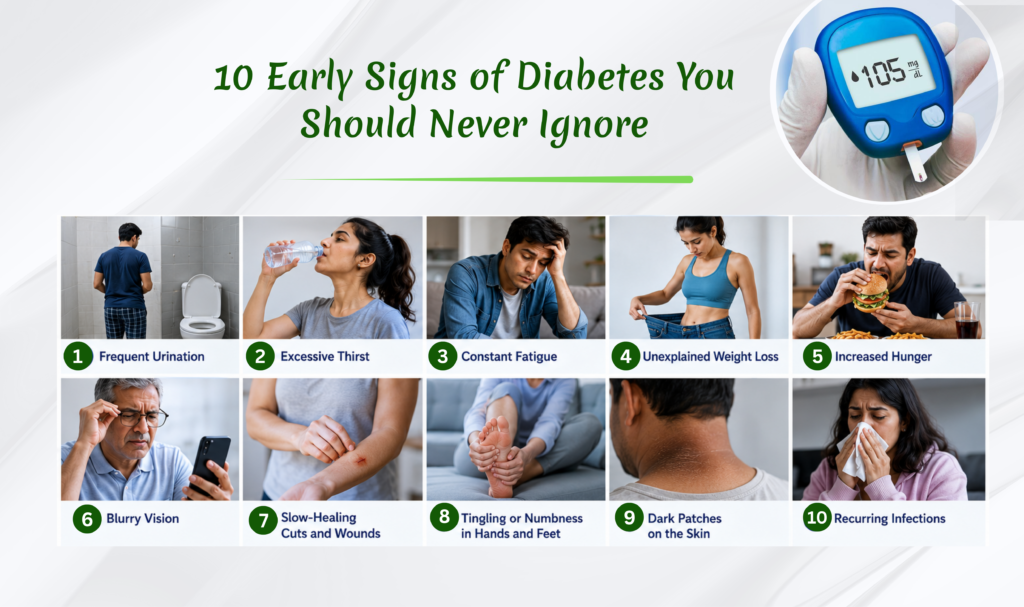
Diabetes is one of the most widespread chronic diseases suffered by millions of individuals worldwide. Tragically, some individuals tend to ignore the warning symptoms because they appear gradually and seem insignificant in the beginning. Being aware of the symptoms of diabetes in the early stages can assist with timely diagnosis, proper treatment, and possible complications prevention.
At Hillside Family Medicine, you will find personalized and professional help to detect, diagnose, and manage diabetes effectively. In case you experience one or more of the symptoms listed below, you should consider consulting a healthcare professional.
What Is Diabetes?
This refers to a disease that causes problems in blood sugar levels. The primary function of blood sugar, also known as glucose, is to provide energy for the body. When there are high levels of blood sugar, the body will develop complications.
There are two common forms of diabetes, namely:
Type 1 Diabetes – Where the body develops an immune response towards insulin.
Type 2 Diabetes – In this case, the body develops resistance against the insulin or does not produce insulin at all.
Being able to identify the symptoms earlier helps in preventing complications like kidney diseases, eye problems, heart conditions, and nerve damage.
1. Frequent Urination
Frequent need to urinate, particularly at night, is one of the symptoms.
The kidneys strain themselves by filtering extra blood sugar levels in the body via urine. This increases the urge to urinate.
In case there is a sudden increase in urination without any other reason, you should visit your doctor for testing.
2. Excessive Thirst
As your body gets rid of more fluids due to frequent urination, you will always feel thirsty.
A common symptom among those experiencing diabetes symptoms type 2 is an increase in the amount of water consumed while feeling dehydrated all the same. Dryness in the mouth accompanies thirst most of the time, and it should not be ignored at any cost.
3. Constant Fatigue
Feeling tired is expected after a tiresome day. However, consistent tiredness can be a sign that there is something wrong with you.
If your body is unable to utilize the glucose, you may end up feeling very tired. It should be known that this is one of the common signs of diabetes that is ignored most of the time by the patients.
4. Unexplained Weight Loss
Unexplained weight loss is one of the potential signs of diabetes despite no changes in one’s diet and physical activity.
The body resorts to utilizing the stored fats and muscles as sources of energy since it fails to take glucose efficiently. This results in unexplained weight loss, especially in individuals suffering from Type 1 diabetes.
Make sure to consult your doctor here, if you are experiencing sudden weight loss.
5. Increased Hunger
An additional red flag is experiencing hunger constantly irrespective of eating plenty.
It means that the body is failing to transform consumed glucose into energy, thus causing an ongoing sensation of hunger.
Persistent hunger together with weakness and dehydration is likely to be associated with high blood glucose levels.
6. Blurry Vision
Blurry vision becomes the symptom due to the impact of elevated glucose on the delicate blood vessels located in the eyes.
In some cases, the vision can improve over time, whereas other people will have constant trouble concentrating or seeing clearly. One must pay close attention to such symptoms, which can cause severe problems with sight due to diabetes.
7. Slow-Healing Cuts and Wounds
Slow healing of wounds/cuts and any other type of infection may indicate that you have developed diabetes.
This happens since high blood sugar damages the circulation system and the immune system of your body, causing problems in the process of healing.
If you experience such symptoms very often, especially regarding your feet or legs, you should see a doctor immediately.
8. Tingling or Numbness in Hands and Feet
High levels of blood sugar cause nerve damage, which is also called diabetic neuropathy. The following symptoms may appear in the initial stage of this condition:
- Tingling sensations
- Painful burning
- Numbness
- Hand or leg/foot sensitivity
These symptoms cannot be neglected since the problem can only get worse in case of negligence.
9. Dark Patches on the Skin
Velvety dark spots or patches on the skin around your neck, armpits, and groin may serve as a symptom of insulin resistance.
Such skin conditions are named acanthosis nigricans and are typically found in patients with prediabetes or Type 2 diabetes.
The presence of such spots does not pose any threat to health but can point out that you have difficulties with regulating your blood sugar levels.
10. Recurring Infections
Diabetics suffer from infections frequently since high blood sugar makes their immune systems work inefficiently.
Most common types of infections are:
- Bladder infections
- Infections on the skin
- Yeast infection
- Oral cavity infections
Any recurrent and frequent infections require medical attention and treatment.
Who Is at Higher Risk for Diabetes?
Various factors can increase your chances of developing diabetes, such as:
- Family history of diabetes
- Being overweight
- Not engaging in regular exercise
- High blood pressure
- Unhealthy diet
- Old age (over 45)
- History of gestational diabetes
Even young people are likely to develop diabetes if they live unhealthily.
How Diabetes Is Diagnosed?

In order to detect diabetes, a health practitioner may conduct some of the following tests:
- Fasting blood sugar test
- A1C test
- Glucose tolerance test
- Random blood sugar test
This would ensure early detection and allow one to start the treatment before the development of any complications.
Visit Hillside Family Medicine for your diabetes testing and prevention.
Tips to Prevent Diabetes
Though there are cases of diabetes which cannot be prevented, leading a healthy lifestyle will make your risk decrease significantly.
Maintain a Healthy Diet
Make sure you eat more:
- Fruits and veggies
- Grains
- Proteins
- Healthy fat
Avoid soda, overly processed foods, and eating too much carbohydrates.
Stay Physically Active
Being physically active will help you control your blood sugar levels and increase insulin sensitivity.
Try to do exercises at least half an hour per day.
Maintain a Healthy Weight
Small amounts of weight loss could also decrease the chances of having Type 2 diabetes.
Get Regular Checkups
Routine examinations will ensure early detection of diabetes.
Why Early Detection Matters?
Disregarding the symptoms that point to diabetes can lead to some of the following complications:
- Cardiovascular diseases
- Diseases of the kidneys
- Eye problems, including partial or total blindness
- Neuropathy
- Problems associated with the feet
The earlier one is diagnosed with diabetes, the easier, it will be for him/her to deal with it and avoid complications through proper treatment.
Conclusion
It is important to remember the early warning signs that can indicate the presence of diabetes. These include increased urination, increased thirst, blurry eyesight, exhaustion, poor wound healing, and unintended weight loss.
Diabetes is a disease that requires proper attention; therefore, it is necessary to consult a physician when you notice symptoms of this disease.
If you want to receive high-quality healthcare from a friendly specialist, we recommend calling us at Hillside Family Medicine at 770-485-0031.
FAQs
1. What are the earliest warning signs of diabetes?
The earliest symptoms often include frequent urination, excessive thirst, fatigue, increased hunger, and blurry vision.
2. Can diabetes develop without symptoms?
Yes, some people may have diabetes or prediabetes without noticeable symptoms for years.
3. Is constant tiredness a sign of diabetes?
Yes, ongoing fatigue can occur when the body cannot properly use glucose for energy.
4. Why does diabetes cause frequent urination?
High blood sugar forces the kidneys to work harder to remove excess glucose through urine.
5. Can blurry vision from diabetes be reversed?
In some cases, vision improves once blood sugar levels are controlled, but severe damage may become permanent.
6. What is prediabetes?
Prediabetes occurs when blood sugar levels are higher than normal but not yet high enough for a diabetes diagnosis.
7. Who is most at risk for Type 2 diabetes?
People who are overweight, inactive, or have a family history of diabetes are at higher risk.
8. Can healthy eating help prevent diabetes?
Yes, a balanced diet and regular exercise can significantly reduce the risk of developing Type 2 diabetes.
9. How often should blood sugar levels be checked?
Your healthcare provider can recommend testing frequency based on your age, symptoms, and risk factors.
10. Where can I get tested for diabetes?
You can schedule a diabetes evaluation at Hillside Family Medicine by calling 770-485-0031.