

Prostate Health in Acworth, GA is a topic most men avoid until something has already gone wrong – and that delay is exactly what turns manageable conditions into serious ones. At Hillside Family Medicine, Dr. Sandeep Dhaliwal and Shelley Amos, FNP-C, work with men across Acworth, Dallas, Kennesaw, Marietta, Cartersville, Canton, and Powder Springs to catch prostate problems early, before symptoms take over daily life. Whether you need a routine PSA screening or want to understand your risk, our prostate health services in Acworth, GA are here to guide you at every step. If this is a conversation you have been putting off, now is the right time to have it.
What the Prostate Is and Why It Matters?
The prostate is a small, walnut-sized gland that sits just below the bladder in men. It surrounds the urethra – the tube that carries urine out of the body – and produces the fluid that carries and protects sperm. Because of where it sits, even a slight change in its size or condition can affect urination, sexual function, and everyday comfort.
The prostate also grows naturally with age. That is expected. What matters is knowing when those changes stop being normal and start being a sign of something worth addressing with your doctor.
Three Prostate Conditions Every Man Should Know
Benign Prostatic Hyperplasia (BPH)
BPH, or an enlarged prostate, is one of the most common conditions in men over 50. As the prostate grows, it puts pressure on the urethra and disrupts urine flow. BPH is not cancer and does not raise cancer risk on its own, but it significantly affects quality of life – and many men simply accept the symptoms as aging when they do not have to.
Prostatitis
Prostatitis is inflammation of the prostate. It can be bacterial or non-bacterial. Bacterial prostatitis comes on fast with fever, chills, and painful urination. Chronic prostatitis is more drawn out – weeks or months of pelvic discomfort, urinary irritation, and lower back pain. It can affect men of any age, including those in their 20s and 30s.
Prostate Cancer
Prostate cancer is the most commonly diagnosed cancer in American men after skin cancer. In the early stages, it causes no symptoms at all. That silence is what makes it dangerous – and why routine prostate health screening is the most important step any man can take. If you are unsure where to start, contact us and our team will walk you through the right next steps based on your age, symptoms, and risk factors.
Symptoms That Warrant a Doctor’s Visit
Men are good at explaining away symptoms. Do not do that with these:
- Trouble starting or stopping urination
- A weak or interrupted urine stream
- Frequent urges to urinate, especially at night
- Burning or pain during urination
- Blood in the urine or semen
- Pressure or pain in the lower back, hips, or pelvis
- Difficulty getting or maintaining an erection
- Pain during ejaculation
Any combination of these symptoms deserves a proper evaluation. Men in Marietta, Kennesaw, Canton, Dallas, Cartersville, and Powder Springs can reach the clinic directly at 770-485-0031.
Who Faces the Highest Risk?
Every man carries some level of prostate risk as he ages, but these factors push that risk higher:
Age is the biggest driver. Risk climbs significantly after 50, and most diagnoses occur in men over 65. Family history doubles or more than doubles your risk if a father or brother has had prostate cancer. Race is a critical factor – Black men in the United States face higher rates of prostate cancer, are often diagnosed at younger ages, and are more likely to have aggressive disease. If you are a Black man or have a close family member diagnosed with prostate cancer, the screening conversation should happen between ages 40 and 45.
Lifestyle also plays a real role. Obesity, diets high in red meat and processed foods, smoking, and heavy alcohol use have all been linked to higher prostate cancer risk. Addressing these through weight management and healthier daily habits directly supports prostate health over the long term.
PSA Testing and What Prostate Screening Actually Involves
A PSA test – Prostate-Specific Antigen – is a simple blood draw that measures a protein produced by the prostate. Elevated PSA levels may signal BPH, prostatitis, or cancer. PSA alone does not confirm cancer, but it gives your provider critical data to work with alongside your symptoms, age, and family history.
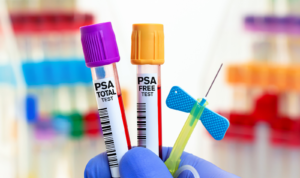
At your screening appointment, expect:
- A review of your personal and family health history
- A discussion of any urinary or sexual symptoms you have noticed
- A blood draw for PSA testing
- Possibly a digital rectal exam (DRE) to assess the prostate’s size and texture
For most men at average risk, the conversation about screening should happen at age 50. Men at higher risk should start at 40 to 45. Your provider at Hillside Family Medicine can help you decide what is right for your specific situation based on your risk profile – this is exactly the kind of conversation that belongs in a primary care visit.
Diet and Lifestyle Choices That Make a Real Difference
What you eat and how you move affects the prostate more than most men realize. These are not minor adjustments – they add up significantly over years.
Foods that support prostate health:
- Tomatoes and cooked tomato products, which are rich in lycopene and linked to lower prostate cancer risk
- Cruciferous vegetables – broccoli, cauliflower, and Brussels sprouts – for their cancer-fighting compounds
- Fatty fish like salmon and sardines, high in omega-3s that reduce inflammation
- Pumpkin seeds, naturally high in zinc, which supports prostate function
- Green tea and berries for antioxidant protection
Habits that work against the prostate:
- Diets heavy in red meat, saturated fats, and processed foods
- Smoking, which damages tissue and restricts circulation
- Heavy alcohol consumption
- A sedentary lifestyle and unmanaged weight gain
Regular exercise – at least 150 minutes of moderate activity weekly – reduces inflammation, supports hormonal balance, and helps keep body weight in a healthy range. All three directly impact prostate health.
Prostate Health and Sexual Function
This is the part many men avoid saying out loud, but it needs to be stated plainly. Prostate conditions frequently affect sexual health. Erectile dysfunction, reduced sex drive, and pain during ejaculation can all connect to prostate disease or to treatments like hormone therapy and radiation.

If you are dealing with urinary symptoms alongside changes in sexual function, bring both to the same appointment. These two things are not separate issues. The providers at Hillside Family Medicine address men’s sexual health as a connected picture – including testosterone therapy for men dealing with low T alongside prostate concerns.
When to See a Doctor and What to Expect?
Many men skip prostate-related visits because they are not sure what the appointment involves. Here is what a straightforward evaluation looks like:
- Your provider reviews your age, family history, current symptoms, and medications
- You discuss any urinary changes, sexual health concerns, or discomfort
- A blood draw is taken for PSA testing if indicated
- A digital rectal exam may be performed depending on your results and risk level
- Your provider walks you through next steps – whether that is monitoring, imaging, or a referral
The visit is brief and handled by experienced providers who have these conversations regularly. There is no reason to put it off. If you have also been dealing with mood changes, low energy, or other signs of hormonal shifts alongside urinary symptoms, your provider can also discuss behavioral and mental health support, since chronic illness and hormonal changes often affect men’s mental well-being too.
Conclusion
Prostate problems rarely announce themselves loudly in the early stages. Most serious conditions are treatable – and some are fully reversible – when caught before symptoms become severe. Waiting until pain or significant urinary difficulty shows up means losing the window where treatment is easiest.
Men in Acworth, Dallas, Kennesaw, Marietta, Cartersville, Canton, and Powder Springs have access to experienced, straightforward providers who handle prostate health as a regular part of men’s primary care – not a specialist referral that takes months to get.
📞 Call 770-485-0031 to book your appointment.
🌐 Visit https://hillsidefamilymedicine.org/ to learn more about services.
Do not wait for something to feel wrong. Schedule your screening and take this off the list.
FAQs
1. When should men start prostate screenings?
Most men should discuss screening at age 50. Black men and those with a family history of prostate cancer should start that conversation between ages 40 and 45.
2. Can prostate cancer be present with no symptoms at all?
Yes. Early-stage prostate cancer is often completely silent, which is why routine PSA testing is the only reliable way to catch it when treatment is most effective.
3. Is BPH the same as prostate cancer?
No. Benign Prostatic Hyperplasia is a non-cancerous enlargement. It does not cause cancer, but it shares some symptoms, so an evaluation is important to tell the two apart.
4. Does what I eat actually affect my prostate cancer risk?
Research consistently links high red meat and saturated fat intake to increased prostate cancer risk. A diet built around vegetables, fish, and whole foods supports better long-term prostate health.
5. Can prostate conditions cause erectile dysfunction?
Yes. Prostatitis and other prostate conditions contribute to erectile dysfunction, and prostate cancer treatments – particularly hormone therapy – frequently affect sexual function.
6. How long does a prostate screening appointment take?
Most visits, including history review, physical exam if needed, and blood draw, take 30 to 45 minutes.
7. Is the Digital Rectal Exam always required at a screening?
Not always. Your provider decides based on your PSA levels, age, and symptoms whether a DRE is appropriate for your specific situation.
8. Can younger men develop prostate problems?
Yes. Prostatitis affects men of all ages, including those in their 20s and 30s. Prostate cancer under 50 is less common but not impossible, especially with a strong family history.
9. Do men in Cartersville, Canton, or Powder Springs need to travel far for prostate care?
No. Hillside Family Medicine in Acworth is within easy reach of all surrounding communities including Cartersville, Canton, Dallas, Kennesaw, Marietta, and Powder Springs. Call 770-485-0031 to confirm.
10. What should I tell my doctor at a prostate screening?
Be specific about any urinary changes – frequency, urgency, weak flow, or pain. Mention sexual health changes, lower back or pelvic discomfort, and any family history of prostate cancer. The more detail your provider has, the more useful the visit.