

Most people only think about their blood pressure when a cuff is wrapped around their arm at the doctor’s office. But high blood pressure rarely announces itself. It causes no pain, no obvious symptoms, and no warning – until real damage is already done. That’s why it’s known as the “silent killer.”
So how often should you actually check? The answer depends on your age and health history and whether you’ve already been diagnosed with hypertension. This guide will walk through the proper blood pressure monitoring schedule for all situations.
Why Regular Blood Pressure Checks Matter?
Your blood pressure measures how hard blood pushes against your artery walls. When it stays high it silently drains your heart, kidneys, eyes and brain. Uncontrolled high blood pressure is a leading cause of:
- Heart attacks and heart failure
- Strokes and brain damage
- Kidney disease and kidney failure
- Vision loss and eye damage
The good news? A blood pressure check takes less than a minute, and catching a problem early often means you can manage it with simple lifestyle changes instead of lifelong medication.
Blood Pressure Check Frequency: Quick Guidelines by Category
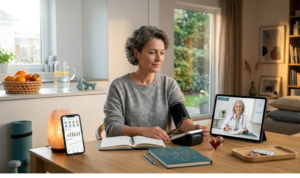
1. If Your Blood Pressure Is Normal (Below 120/80 mmHg)
For healthy adults under 40 with no major risk factors:
- Get a blood pressure screening at least once a year during your annual physical
- Casual checks at pharmacies or routine appointments are a helpful bonus
Once you turn 40 – or if you have risk factors – more frequent checks are wise. Key risk factors include:
- A family history of hypertension or heart disease
- Being overweight or obese
- Diabetes or prediabetes
- Smoking or heavy alcohol use
- High-stress lifestyle or poor sleep
2. If You Have Elevated Blood Pressure (120–129 / Below 80)
While you still don’t have hypertension, there is no doubt that you are developing it. To counteract this condition, doctors usually advise you to:
- Get yourself tested for blood pressure once every three to six months
- Make certain changes in lifestyle – reduce sodium intake, exercise regularly, maintain an optimal weight, and avoid stress
Think of elevated blood pressure as a yellow traffic light – your body is asking you to pay attention before things turn red.
3. If You’ve Been Diagnosed with Hypertension (130/80 or Higher)
In such cases, home blood pressure monitoring will be crucial, particularly when you are on any kind of medication:
- Test it twice a day, once in the morning and once at night
- Have two tests each time, at least one minute apart
- Write down all test results and share them with your doctor
- Once your numbers stabilize, your doctor may reduce this to a few readings per week
Consistency is key – measuring at the same time every day makes your data far more meaningful.
Home Blood Pressure Monitoring: Why It’s Worth Your Time?

Clinic tests may sometimes fail to provide the whole picture about your condition:
- White coat hypertension, when blood pressure increases during visits to the doctor because of stress, while remaining regular at home
- Masked hypertension, when test results appear to be normal, while your blood pressure actually tends to increase outside
A well-functioning home blood pressure monitoring device will help you detect these conditions. When purchasing such a product:
- Make sure that it is clinically validated and uses an upper-arm cuff model
- Don’t purchase a wrist or finger monitor, as it may provide incorrect results
- Bring your new blood pressure monitor to your next appointment for the sake of confirmation that it’s functioning properly
How to Get an Accurate Blood Pressure Reading at Home?
Follow these simple steps for reliable numbers:
- Rest for 5 minutes before measuring
- Sit with your back supported and feet flat on the floor
- Keep your arm at heart level on a table
- Avoid caffeine, exercise, and smoking for 30 minutes beforehand
- Place the cuff on a bare arm, not over clothing
- Don’t talk during the reading
Remember: one unusual reading isn’t a reason to panic. Blood pressure naturally fluctuates throughout the day – what matters is the pattern over time.
When to Call Your Doctor?
Contact your physician promptly if:
- Home readings are consistently 130/80 mmHg or higher
- You notice a sudden jump from your usual numbers
- Your medication doesn’t seem to be working
Seek emergency care immediately if you get a reading of 180/120 or higher along with chest pain, shortness of breath, severe headache, or vision changes – this is a hypertensive crisis. If you’re unsure whether an in-person visit is needed, our telehealth appointments are also available for a quick consultation.
Conclusion
There’s no one-size-fits-all answer to how often you should check your blood pressure – but there is a right answer for you:
- Healthy adults: at least once a year
- Elevated blood pressure: every 3–6 months
- Diagnosed hypertension: daily home blood pressure monitoring
The few seconds it takes to check could quite literally add years to your life.
If it’s been more than a year since your last blood pressure check, the caring team at Hillside Family Medicine is here to help. We’ll measure your blood pressure accurately, assess your risk factors, and create a personalized monitoring plan. Call us today at 770-485-0031 or visit hillsidefamilymedicine.org to schedule your appointment.
FAQs
1. What is considered a normal blood pressure reading?
A normal reading is below 120/80 mmHg. Repeated readings of 130/80 or above generally indicate hypertension.
2. How often should a healthy adult check their blood pressure?
If your readings are normal with no major risk factors, once a year during your annual physical is typically enough.
3. What time of day is best to check blood pressure at home?
Morning (before medication and breakfast) and evening (before dinner). Checking at the same time daily gives the most consistent results.
4. Can I check my blood pressure too often?
Yes – checking obsessively can cause anxiety, which itself raises blood pressure. Stick to the schedule your doctor recommends.
5. Are home blood pressure monitors accurate?
Validated upper-arm cuff monitors are quite accurate. Have yours checked against your doctor’s equipment once a year.
6. Why is my blood pressure different every time I check?
Blood pressure naturally fluctuates with stress, activity, caffeine, sleep, and time of day. Trends matter more than single readings.
7. What should I do if I get a high reading?
Rest for five minutes and recheck. If readings stay high over several days, contact your doctor. One isolated spike usually isn’t alarming.
8. Does high blood pressure have symptoms?
Usually not – that’s why it’s called the silent killer. Most people feel completely fine, making regular blood pressure checks essential.
9. Can lifestyle changes really lower blood pressure?
Absolutely. Reducing sodium, regular exercise, weight loss, limiting alcohol, and managing stress can lower blood pressure significantly – sometimes enough to avoid medication.
10. Where can I get my blood pressure checked near me?
Hillside Family Medicine offers accurate blood pressure screenings and personalized care plans. Call 770-485-0031 or visit hillsidefamilymedicine.org to book your visit.